Complaints Procedure for House Clearance Hainault
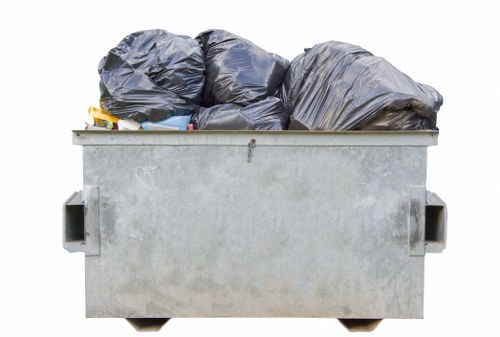 This Complaints Procedure outlines how concerns about our house clearance in Hainault and related rubbish removal services are handled. It is intended to be clear, fair and accessible for customers who use our Hainault house clearance and waste removal services. Please read it carefully to understand how to raise an issue, what to expect during the review process, and the typical timescales for resolution.
The policy applies to any service delivery issues associated with house clearance Hainault, waste collection, junk removal Hainault operations, or arrangements related to booked clearances. We aim to resolve matters promptly and with minimal disruption. If an issue cannot be resolved informally, this document explains the formal steps. The process is structured to be impartial and to protect both clients and operational staff while ensuring compliance with applicable waste management standards.
 Our commitment is to acknowledge receipt of a complaint quickly and to keep complainants informed. Complaints about charges, missed collections, damage alleged during clearance, unsafe working practice concerns or perceived breaches of contract are all covered. We treat every complaint seriously and record each case to identify recurring issues and drive service improvements. Privacy considerations are observed throughout — any personal data included in a complaint is handled in accordance with relevant data protection requirements.
How to Make a Complaint
To raise a concern about rubbish removal in Hainault or related services, provide a clear description of the issue, including the date of the service, location of the property where the clearance occurred, and any evidence such as photographs. Include:
- Service date and booking reference (if applicable)
- A concise description of the problem
- Any supporting evidence (photos, videos) and names of staff present
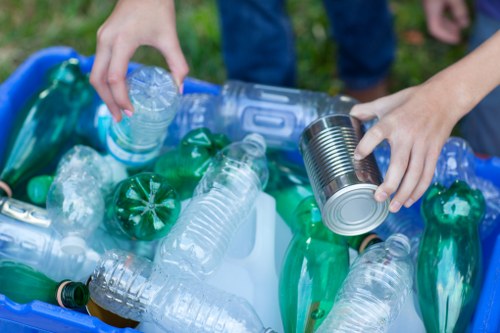 On receiving a complaint we undertake an initial review to determine the nature of the allegation and whether immediate remedial action is required. If safety or environmental risk is suspected, we will prioritise the complaint and may suspend related operations until the risk is mitigated. For routine service concerns, we seek to resolve matters through investigation and mediation between the parties involved.
Initial acknowledgement: Complaints are acknowledged within a defined working period. The acknowledgement will outline who is handling the case and provide an estimated timeframe for response. We aim to be transparent about progress and any actions being taken to address the issue. If additional time is needed to complete an investigation, the complainant will be informed with an explanation for the delay.
Investigation and Resolution Steps
 Our investigation process usually follows these steps: fact-finding, review of operational records, interviews with involved staff, and examination of any supporting evidence. Where practicable we will propose corrective actions to rectify any validated shortcomings. Corrective actions may include redoing a part of the service, offering a partial refund where appropriate, or implementing changes to procedures to avoid recurrence.
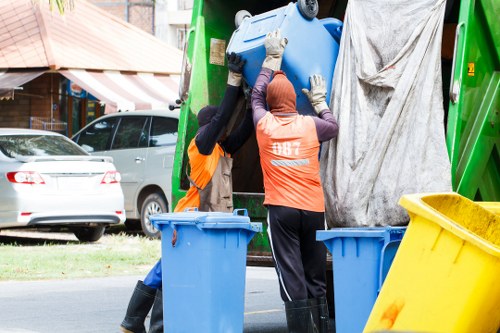 Decisions on complaints are based on gathered evidence and the applicable terms of service. If a complaint is upheld, the resolution offered will reflect the severity and impact of the issue. Where complaints are not upheld, the findings and the reasons will be provided in writing. The complainant will be given the opportunity to respond to the findings if they believe relevant information was overlooked.
Escalation: If the complainant is dissatisfied with the outcome of the initial investigation they may request an internal review. The internal review is carried out by a senior manager or an appointed panel not previously involved in the case. This review focuses on whether the original investigation followed the documented procedure and whether the resolution offered was reasonable in the circumstances.
Timescales: Our usual target is to resolve straightforward complaints within a set number of working days. Complex cases that require on-site inspection or third-party liaison may take longer. We commit to keeping complainants informed of progress and any revised estimated resolution dates. If legal or regulatory matters are implicated, those processes may affect the overall timescale.
Record keeping is maintained for quality assurance and regulatory compliance. Information recorded includes the complaint summary, investigation findings, outcomes, and any remedial measures taken. Data is retained in accordance with applicable retention policies and for the purpose of service improvement.
Review and continual improvement: Complaints are analysed periodically to identify trends and opportunities for improvement across our house clearance and rubbish collection operations. Lessons learned lead to staff briefings, changes in operational protocols, and updates to customer information to reduce the likelihood of repeat issues.
Right to appeal: If after internal escalation a complainant still considers the outcome unsatisfactory, they may request a further review under our appeals process. This is reserved for cases where new evidence emerges or there are concerns about the fairness of the initial handling. The appeals stage is the final internal stage and will be handled by senior management.
Policy scope: This complaints procedure applies to all waste clearance and house clearance services provided within our operational service area. It is not a replacement for statutory or legal remedies; if a complainant believes there is a legal basis for further action, they are entitled to pursue appropriate external avenues independently.
We aim to provide a fair, accessible and timely complaints process that balances the needs of customers and operational realities. Maintaining trust and improving standards in rubbish and waste clearance is central to our approach, and complaints are treated as a valuable mechanism for continuous improvement.